
Essential Insights for Effective Landscaping Practices
Landscaping is both an art and a science, and understanding the nuances of each task can make all the difference. One such task that often trips up even experienced landscapers is the proper application of mulch. Applying it incorrectly can lead to various issues that negatively impact plant health and visual appeal. This guide will explore some common errors landscapers should avoid in their mulching practices, providing insights into achieving better results efficiently.
The Importance of Proper Application Techniques
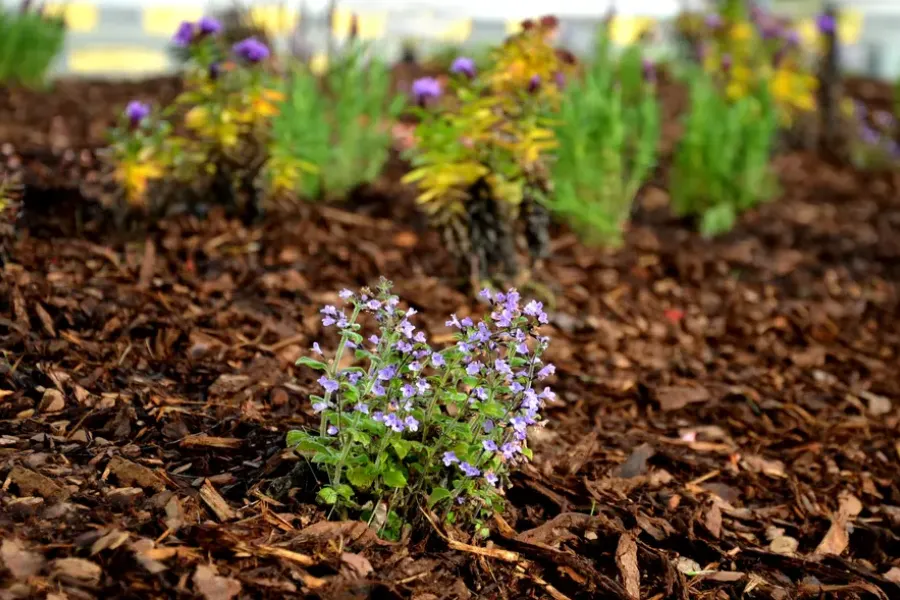
A key mistake many landscapers make is not paying enough attention to how they apply mulch. It’s easy to think that just spreading it around is sufficient, but technique matters significantly. When mulching, the layer should be thick enough to suppress weeds but not so thick that it prevents water from reaching the soil. Aim for about two to three inches of coverage to ensure optimal conditions for your plants.
Choosing the Right Material Matters
Another frequent error is using inappropriate materials. Different environments require different types of mulch. Organic options like wood chips or bark are excellent for flower beds, offering nutrients as they break down. In contrast, inorganic mulches like gravel might suit areas where low maintenance is desired. Carefully selecting the right material is crucial for meeting the specific needs of your landscaping project.
Timing Can Influence Success
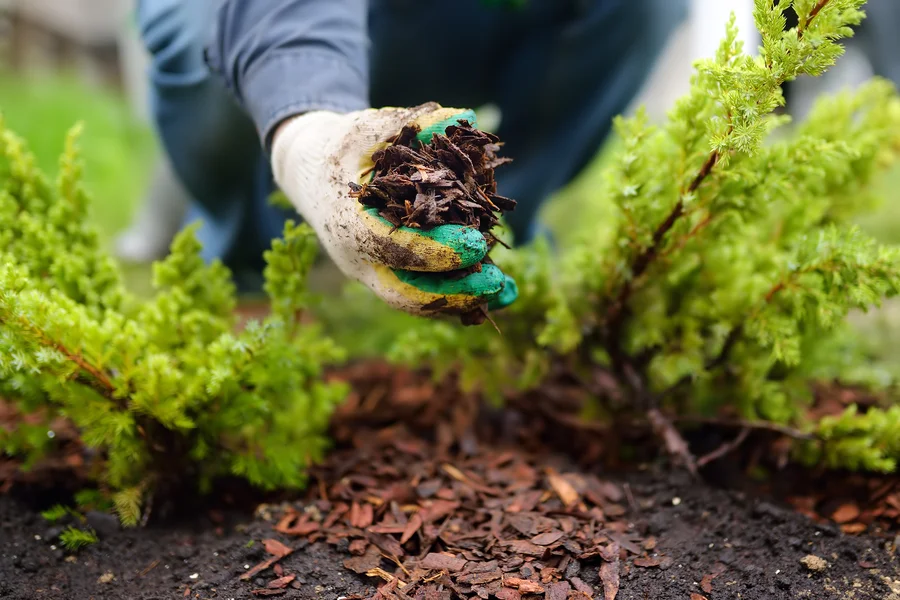
Many landscapers overlook the importance of timing when applying mulch. Ideally, you should lay it down in early spring or late fall. These periods help conserve moisture during warmer months and provide insulation during colder ones. Timing your mulching efforts strategically contributes to healthier, more resilient plants throughout the year.
Avoid Excessive Piling Around Plant Bases
Piling mulch too closely against tree trunks or plant stems is a common issue known as “volcano mulching.” This practice creates a favorable environment for pests and disease while also suffocating the roots. Ensure there’s a gap between the mulch and plant bases to promote healthy growth and prevent unwanted complications.
Monitoring and Maintenance Are Crucial
Once you’ve applied your mulch correctly, don’t assume the job is done forever. Regular monitoring and maintenance are essential for long-term success. Check periodically to see if additional layers are needed or if adjustments must be made due to decomposition or displacement by wind or water.
Avoiding Chemical Contamination
A less obvious mistake involves using contaminated mulch. Some sources may contain harmful chemicals that could damage your plants. Always opt for reputable suppliers who provide clean, safe products free from potential contaminants.
Practical Tips for Successful Landscaping
- Ensure proper thickness: Two to three inches is generally ideal.
- Select appropriate materials based on environment and needs.
- Apply during optimal seasons like spring and fall.
- Keep mulch away from direct contact with plant bases.
- Regularly check and maintain mulched areas.
- Source mulch from reputable suppliers to avoid contamination.
Achieve Beautiful Results With Professional Assistance
For those looking to elevate their landscaping projects, avoiding these common mistakes is crucial. If you’re in need of further assistance, feel free to reach out for expert advice and services. Located in Smithville, TX, I am ready to support your landscaping needs at Rain Texas Landscape Service. Contact me today at (512) 761-2618 for professional guidance tailored to your unique requirements.